

Wholesale Wedding Flowers
Buy Wedding Flower Wholesale Collections
Pre-balanced boxes with focals, fillers and greenery already proportioned to a palette. Pick a collection, then the box size that matches your guest count — the bigger the box, the lower the price per stem.


Add roses to your collection
The collections cover focals, fillers and greenery. Most couples add roses for the bouquets and head table — these are the varieties florists reach for most.

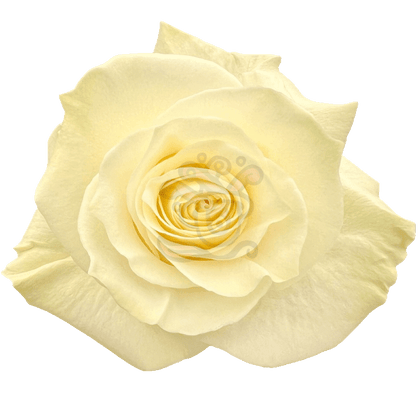
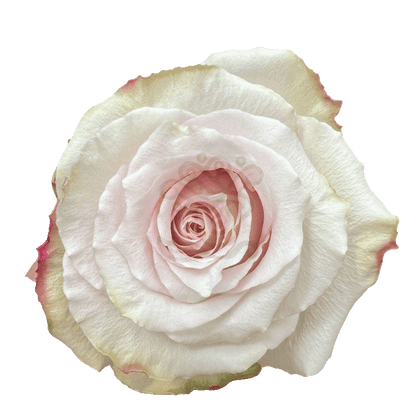


Discover exquisite wholesale wedding flowers. Explore a stunning selection of high-quality blooms in bulk at competitive prices. Elevate your wedding decor with farm-fresh, vibrant flowers tailored to your theme and color palette. From classic roses to unique seasonal arrangements, find the perfect wholesale flowers to create a memorable and breathtaking ambiance for a dream wedding. Shop now and bring your floral vision to life.
About wedding flowers
What a DIY wedding order actually involves: how many stems each piece takes, what shipping costs, and when the box should land.
Wedding flower planning| Minimum order | One box — 100 roses, or 120 to 200 stems depending on the collection |
|---|---|
| Bridal bouquet | 25 to 35 stems for a full hand-tied bouquet |
| Bridesmaid posy | 12 to 18 stems each |
| Table centrepiece | 15 to 20 stems for a standard round arrangement |
| Buttonhole | 1 to 3 stems, plus a little greenery |
| Ceremony arch | 100 to 200 stems depending on coverage, plus greenery |
| Order buffer | Add 10 to 15% over whatever you calculate — guard petals come off and a few stems break in handling |
| Price per stem | Wedding collections from $0.66 a stem; the larger the box, the lower the price per stem |
| Shipping | $34 a quarter box, $47 a half box, charged per box and shown at checkout |
| Box sizes | Under 200 stems ships as a quarter box; 200 stems or more ships as a half box |
| Transit time | 3 to 5 business days across the US by UPS or FedEx |
| Recommended delivery | 2 to 3 days before the wedding, never the morning of it |
| When to book | Weeks to months ahead for Valentine's, Mother's Day and the May-to-October wedding season |
Your flowers arrive looking thirsty and sleepy. This is completely normal — they are cut to order on our farms and travel without water, so they need rehydrating. The Flower Care tab shows you exactly how.
Flowers are a natural product and no two stems are identical, and screen calibration varies, so the exact colour tones you receive may differ slightly from the photographs.
Your flowers are cut to order and shipped dry, direct from our Ecuadorian farms. The steps below rehydrate them and get the longest possible vase life out of every stem.
Conditioning your wedding flowersBefore the box arrives
Have clean buckets, sharp clippers or a knife, flower food and a cool room ready. Conditioning goes much faster when nothing has to be hunted for.
Unpack straight away
Cut the straps and lift the flowers out, leaving the protective sleeves on for the first few hours. Do not leave the box closed — the sooner the stems reach water, the better they recover.
Use clean containers
Sanitised buckets or vases, filled with at least 4 inches of cool fresh water, plus flower food if you have it. Soap residue and bacteria are the commonest cause of a short vase life.
Cut and strip
Take 1 to 2 inches off every stem at a 45-degree angle and strip any foliage that would sit below the waterline. Leaves left in water foul it within a day.
Let them drink
Several hours before you start arranging. Most stems recover fully within a few hours; some late bloomers take 24 to 48, which is why the box should land two to three days before the event.
Timing your arranging
Condition the evening the box lands and arrange the next morning. Keep finished arrangements in the coolest room you have, out of direct sun and away from ripening fruit, which releases ethylene and ages flowers early.
The questions couples and planners ask us most often before they order.
How much do wedding flowers cost?
Through a florist, wedding flowers typically run 8 to 10 percent of the total budget, and a bridal bouquet alone often lands between $150 and $350. Buying the stems direct changes that arithmetic — our wedding collections start at $0.66 a stem before shipping.
The trade-off is your time. A DIY wedding usually means one long evening of conditioning and a morning of arranging. Most couples who go this route arrange the centrepieces themselves and buy the bridal bouquet from a florist.
How many flowers do I need for my wedding?
As a working guide, based on what our customers actually order: 25 to 35 stems for a full bridal bouquet, 12 to 18 for each bridesmaid posy, 15 to 20 for a standard round centrepiece, 1 to 3 plus greenery per buttonhole, and 100 to 200 for a ceremony arch depending on coverage.
Add 10 to 15 percent on top of whatever you calculate. Guard petals come off, a few stems break in handling, and you will want spares to practise on. Running short the night before is far worse than having twenty stems left over.
How far in advance should I order wedding flowers?
Book weeks or months ahead, especially for peak dates. Valentine's, Mother's Day and the May-to-October wedding season all compress supply, and Ecuadorian farms allocate production for those windows well in advance.
Booking early and receiving early are two different things: reserve the order ahead, but schedule the delivery close to the event.
When should my wedding flowers be delivered?
Two to three days before the wedding, never the morning of it. Flowers ship at a closed cut stage and need that window to drink and open. A box arriving on the day will still be in bud when you walk down the aisle.
Transit is 3 to 5 business days across the US, so count backwards from the event date and order accordingly.
How much does shipping cost?
$34 for a quarter box and $47 for a half box, charged per box and shown at checkout before you pay. Anything under 200 stems ships in a quarter box; 200 stems or more ships in a half box.
Because the charge is per box, larger boxes cost less to ship per stem. 300 roses in one half box ship for $47, while the same 300 bought as three separate 100-stem boxes ship for $102. If you already know your quantities, round them up to full boxes.
Which wedding flowers give the most for the money?
Carnations. Packed densely into a dome they produce the textured, cloud-like look that is a wedding style in its own right, and they hold two to three weeks — longer than anything else we ship. The standard advice on a tight budget is to build 60 to 70 percent of your arrangements from carnations and reserve roses for the bouquets.
Alstroemeria is the other efficiency play: each stem branches into four to six blooms. Hydrangeas do the same job at the top end, one head filling the space of eight or ten roses. For greenery, eucalyptus adds the most volume for the least money and dries rather than wilts, so garlands can be built two or three days early.
Which roses are the wedding standards?
Vendela is the industry default ivory, with Mondial as the white equivalent. Quicksand carries the muted sand-and-blush palette couples usually show a photograph for rather than name.
Sophie is the blush benchmark, Esperance reads as a garden rose without the fragility of one, and Freedom is the classic red. For garden-style work, Pink Xpression carries 78 to 80 petals, the highest count we grow.
Can I match a specific colour?
Within reason — and for anything tight, order a sample box first. Blush, peach and sand all shift noticeably under warm reception lighting, so a rose that matches a swatch in daylight can read quite differently at 7pm in a candlelit room. If you are matching bridesmaid dresses or stationery, look at a sample in the actual venue lighting.
For colours roses do not grow — true blue, navy, black, deep teal — we tint by absorption at the farm, drawing dye up through the stem into the petal. That colour sits inside the flower rather than on it, so it will not rub off on hands or a white dress the way sprayed roses do.
What do I need to do when the box arrives?
Unpack immediately and get the stems into water. Flowers ship dry and arrive thirsty — that is normal, not damage.
Cut 1 to 2 inches off every stem at a 45-degree angle, strip any leaves that would sit below the waterline, and let everything drink deeply for several hours before you start arranging. Have clean buckets, sharp clippers, flower food and a cool room ready before the box lands.